Three-Layer PE Anti-Corrosion Coating System for Underground Oil & Gas Pipes
Three-layer PE anti-corrosion coating is an important system used to protect underground oil and gas pipes. These pipes carry essential resources, and keeping them safe from rust and damage is very important. Hebei Jiachi specializes in creating high-quality coatings that help ensure these pipes last longer and perform better. The three-layer system typically includes an adhesive layer, a polyethylene layer, and another protective layer. Each layer plays a different role in keeping the pipes safe from the harsh conditions they face underground. This coating helps prevent leaks and other problems that could arise from corrosion, which is when metal gets eaten away by moisture or chemicals in the soil. A reliable coating system not only extends the life of the pipes but also helps keep the environment safe from spills.Common Usage Issues with Three-Layer PE Anti-Corrosion Coating Explained
Even though the three-layer PE anti-corrosion epoxy powder coating is excellent, there are some common problems that can happen during its use. One of the main issues is improper application. If the coating is not applied correctly, it may not stick well to the pipe, which can lead to gaps. These gaps can allow moisture in, which can cause corrosion. Another issue is the temperature at which the coating is applied. If it's too cold or too hot, the coating might not cure properly. This can affect its strength and durability. Sometimes, the surface of the pipe may not be cleaned well before applying the coating. Dirt or oil on the pipe can stop the coating from adhering properly, leading to weak spots over time. It’s also important to check for any damage on the pipe before coating. If there are scratches or dents, they should be fixed first. Moreover, if the coating is exposed to too much sunlight or other harsh conditions before it has fully cured, it can start to break down. Regular inspections after application are crucial. If any problems are found early, they can be fixed before they become serious. Hebei Jiachi suggests following the guidelines for application closely. This way, the coating will perform as expected and protect the pipes effectively.
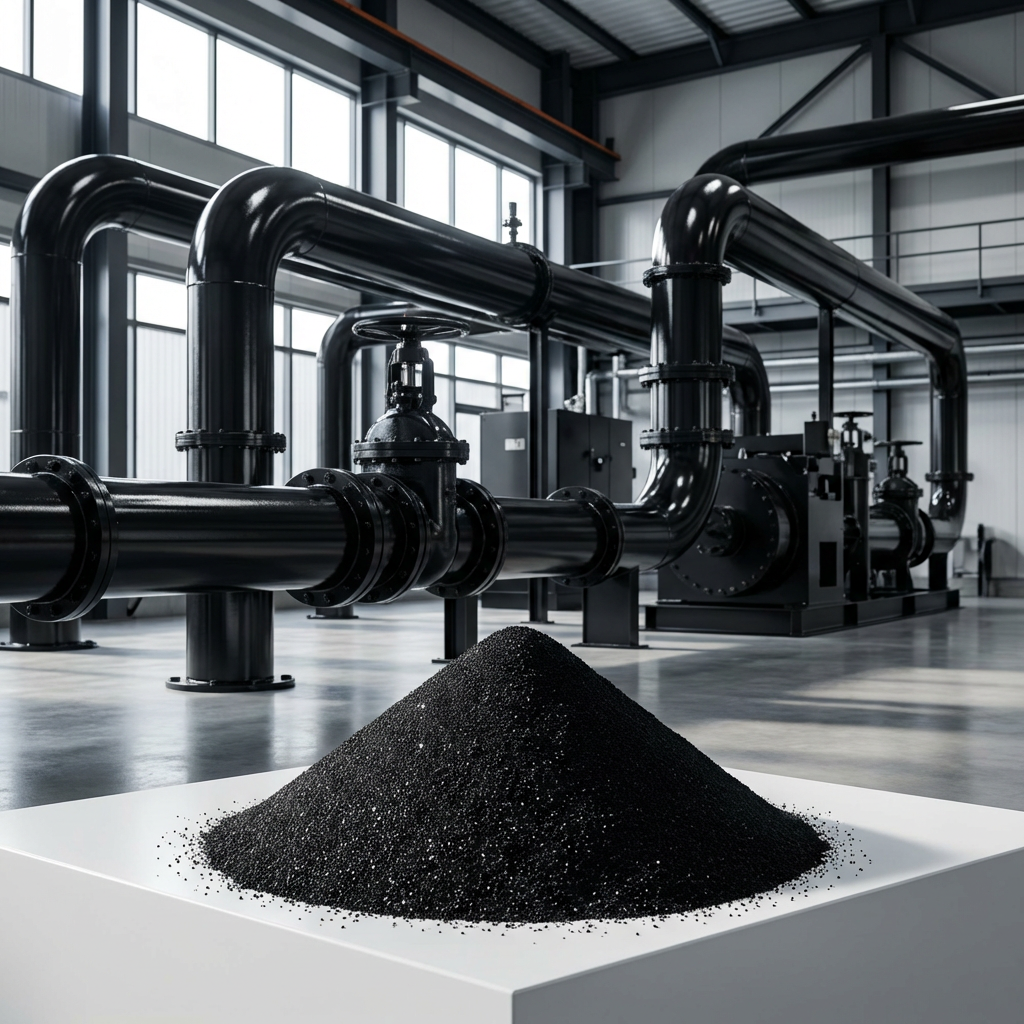
What Are the Key Benefits of Three-Layer PE Coating for Oil and Gas Infrastructure
The three-layer PE coating offers many benefits for oil and gas infrastructure. First, it provides strong protection against corrosion, which is a major threat to metal pipes. The layers work together to keep moisture and chemicals away from the metal. This means that the pipes can last much longer without needing repairs or replacements. Another big advantage is its flexibility. The coating can easily adapt to different shapes and sizes of pipes, making it suitable for various applications. It can be used on pipes that are buried deep underground or those that are above ground. This versatility makes it popular in the oil and gas industry. Additionally, the coating is resistant to impact and abrasion. This means that even if the pipes are hit or scratched, the coating will still protect them. This is especially important in areas where heavy equipment operates. Moreover, the three-layer PE coating is also lightweight, which helps reduce transportation and installation costs. Lastly, using this coating can help companies comply with environmental regulations. By preventing leaks, they protect not only their resources but also the environment. Overall, the three-layer PE coating from Hebei Jiachi is a wise choice for anyone involved in oil and gas infrastructure, ensuring safety and efficiency in operations.
What Makes Three-Layer PE Coating a Preferred Choice for Underground Pipelines
Three-layer PE powder coating is a special type of protection used for underground oil and gas pipes. This coating is made of three layers: an adhesive layer, a middle layer, and an outer layer. The first layer is sticky and helps the coating stick to the pipe. The middle layer is thick and strong, providing great protection against damage. The outer layer is made of polyethylene, which is a tough plastic that protects the pipe from water, dirt, and other harmful things.
One reason why three-layer PE coating is a popular choice is that it helps stop rust and corrosion. Rust can make pipes weak and can cause leaks. When pipes leak, they can cause big problems, like pollution and loss of valuable oil and gas. Hebei Jiachi knows how important it is to keep pipelines safe, so we use three-layer PE coating to help avoid these issues.
Another reason for choosing this coating is its flexibility. It can bend and stretch without breaking, which is very important when pipes are installed underground. Underground pipes have to deal with a lot of pressure and movement from the ground above. Three-layer PE coating can handle this and keeps the pipes safe.
Additionally, this coating lasts a long time. It can protect pipes for many years, which means fewer repairs and less money spent in the long run. This is especially important for companies in the oil and gas industry, where keeping costs down is crucial. With Hebei Jiachi's three-layer PE coating, businesses can be confident that their pipelines are protected for many years.

How to Address Common Problems with Three-Layer PE Coating Applications
Even though three-layer PE coating is great, there are sometimes problems that can happen during its application. One common issue is making sure the surface of the pipe is clean before applying the coating. If there is dirt, oil, or rust on the pipe, the coating might not stick well. This can lead to weak spots that can cause problems later on. To fix this, it's important to clean the pipe thoroughly. Hebei Jiachi recommends using special cleaning tools and materials to ensure the pipe is ready for the coating.
Another problem can be the temperature during application. If it's too cold or too hot, the coating might not cure properly. This means it won't harden and protect the pipe as it should. To avoid this, workers should check the weather and make sure they are applying the coating at the right temperature. If conditions aren’t ideal, it might be better to wait for a better day.
Sometimes, workers may rush through the application process. This can lead to mistakes, such as not putting enough coating on the pipe or not applying it evenly. To address this, companies should provide proper training for workers. Hebei Jiachi believes that well-trained workers can do a better job and avoid these problems. They can take their time to ensure everything is done right.
Finally, after the coating is applied, it's important to inspect the pipes to make sure everything is okay. This includes checking for any bubbles or areas where the coating might be thin. Regular checks can catch problems early, so they don’t turn into bigger issues later. By following these steps, companies can make sure their three-layer PE coating works well and keeps their underground pipes safe.
What Trends Are Shaping the Future of Anti-Corrosion Coating in the Oil and Gas Sector
The world of anti-corrosion coatings is always changing, and many new trends are shaping how these products are made and used, especially in the oil and gas sector. One big trend is the push for more environmentally friendly coatings. Many companies are looking for ways to reduce their impact on the planet. Hebei Jiachi is also focused on creating coatings that are safe for the environment while still being effective. This powder coating rims includes using fewer harmful chemicals and finding new materials that protect pipes without hurting the world around us.
Another trend is the use of technology in the coating process. With new tools and machines, workers can apply coatings more accurately and quickly. This means that the coatings can be applied more evenly and with fewer mistakes. New technology can also help in monitoring the condition of the coating over time. For example, sensors can be used to check for signs of wear or damage, allowing companies to address issues before they become serious.
Also, there is a growing interest in smart coatings. These are coatings that can change in response to their environment. For example, they might change color if there is moisture or a chemical that could cause corrosion. This can help workers spot problems early and take action before any damage occurs. Hebei Jiachi is excited about these developments and how they can improve safety and efficiency in the oil and gas industry.
Finally, there is a trend toward focusing on training and education. As coatings become more advanced, it’s important for workers to understand how to apply and maintain them properly. Companies are investing in training programs to ensure that workers are skilled and knowledgeable. This helps to ensure that pipelines are protected effectively and that the industry continues to operate safely. By keeping up with these trends, Hebei Jiachi and other companies can help ensure the future of anti-corrosion coatings is bright and effective.